NOISE POLLUTION CONTROL BY GREEN BELT
Technology: This is an advanced technology developed by Prof. B.D. Tripathi (2007) in which noise pollution is controlled with the help plants.
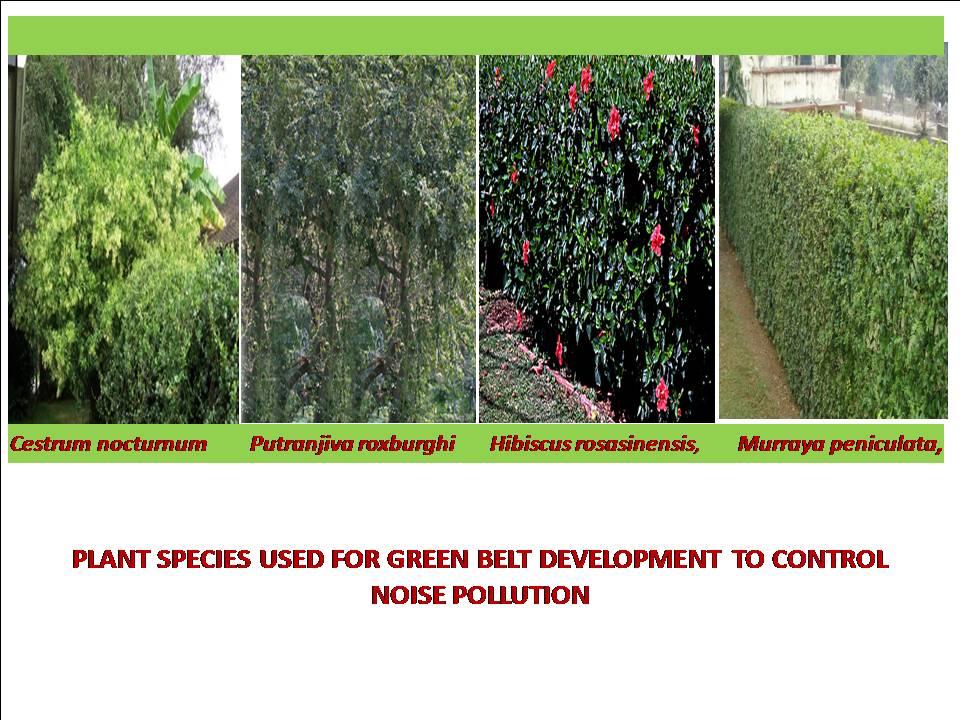
Principle: Sound waves are deflected by different plant species. Reduction in the sound intensity is dependent on the leaf size, its thickness, texture, presence of cuticle on leaf and stem, canopy and fast growing rate of the plant species. Henceforth, green belt of the different plant species may be used as a tool to control the noise pollution.
Noise Attenuation: Highest reduction in noise level was demonstrated with the help of specific green belt developed by Murraya peniculata, Hibiscus rosasinensis, Cestrum nocturnum and Putranjiva roxburghi plant species.
Recognition of the Technology: Technology is published in an International Journal "Environmental Monitoring and Assessment 146, 67 - 75 (2007)" and highly appreciated by the urban people.
BIOFILTRATION OF HEAVY METALS
Technology: This is an advanced technology developed by Prof. B.D. Tripathi (2007) and used for removal of heavy metals from the wastewater.
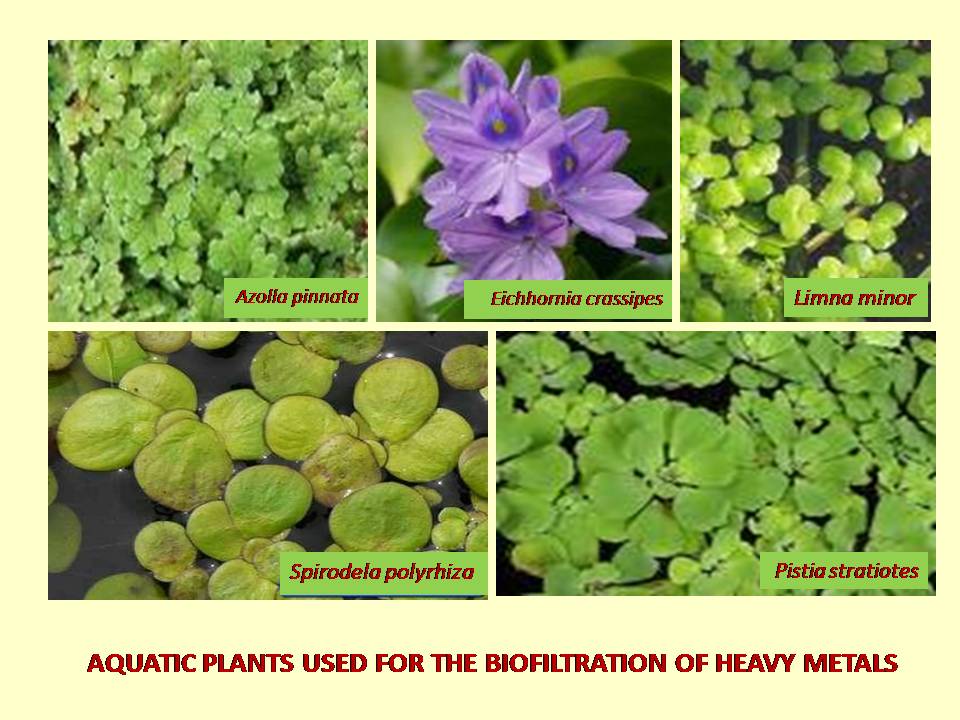
Principle: Aquatic plants such as Eichhornia crassipes, Pistia stratiotes, Lemna minor, Azolla pinnata, and Spirodela polyrhiza are used in different combinations to remove the heavy metals.
Removal: >95% removals of the Cr, Cd, Cu, Zn, Fe and Ni have been demonstrated.
Recognition of the Technology: Technology is commonly used for removal of heavy metals. Technology was published in the year 2007 in an International Journal "Ecological Engineering 30(1)9 - 15 (2007)".
Tertiary Treatment Technology for Dairy Waste Water
Technology: Prof. B.D. Tripathi has developed this technology for the Dairy Waste Water treatment (2002).
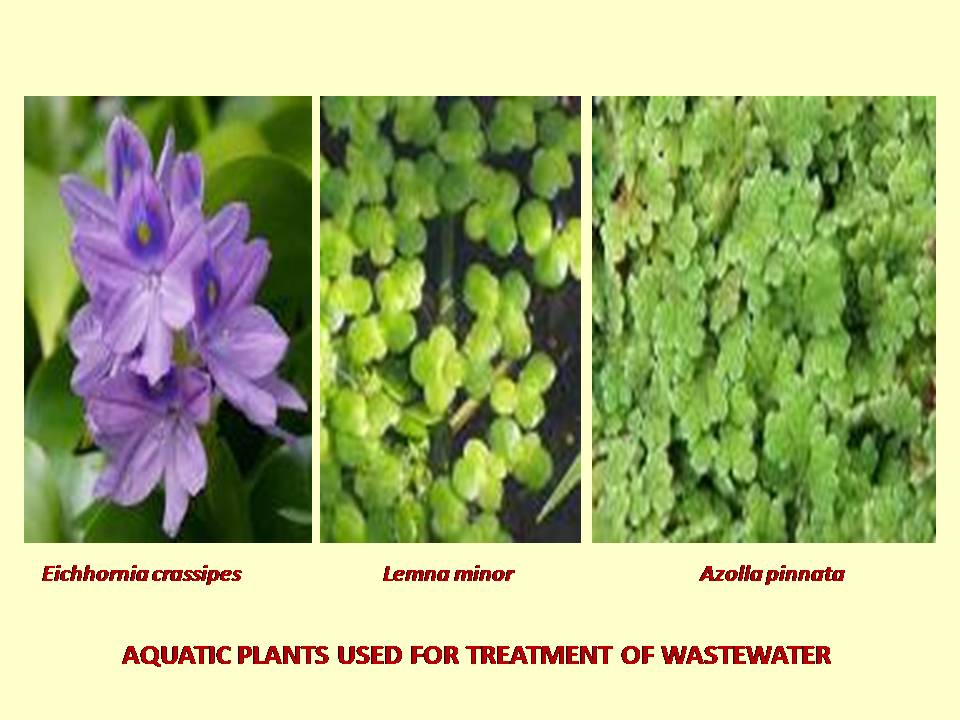
Principle: Aquatic plants such as Eichhornia crassipes, Lemna minor and Azolla pinnata are used in different combinations.
Removal: 78.8% Nitrogen and 62.5% Phosphorus are removed from the dairy wastewater.
Economic benefits: Rich contents of N, P, K, Ca, Mg and crude protein in tissues of the experimental plants indicates their utility as animal fodder.
Bio-fertilizer: Very good quality of bio-fertilizer is produced from these plants used for the treatment.
Recognition of the Technology: Technology was published in the year 2002 in an International Journal “Water Air Soil Pollution Vol. 143, No. 1-4, pp 377-385”.
Air Pollution Control Technology for Silver Refineries
Technology: Prof. B.D. Tripathi has developed this technology for the control of Air Pollution in Silver Refineries (1995).
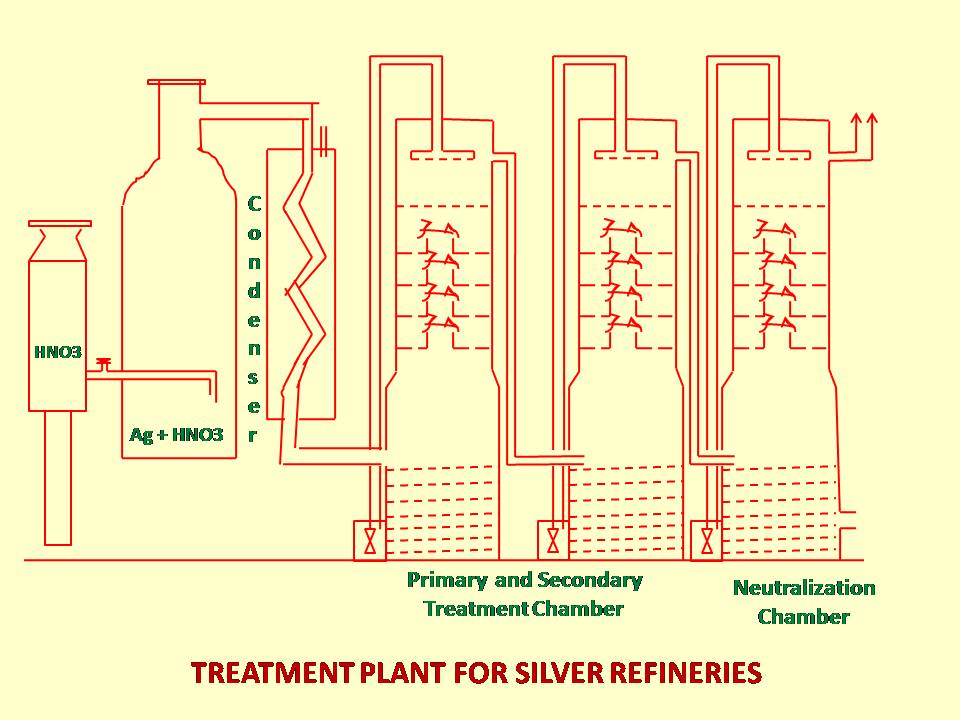
Principle: Pollutant gases are dissolved in specific solvents and removed.
Removal: 99% toxic gases are removed.
Economic benefits: NO2 released from Silver Refineries is recycled & converted to HNO3 which is again used.
Recognition of the Technology: Device is used in many Indian Silver Refineries.
Advanced Wastewater Treatment Technology
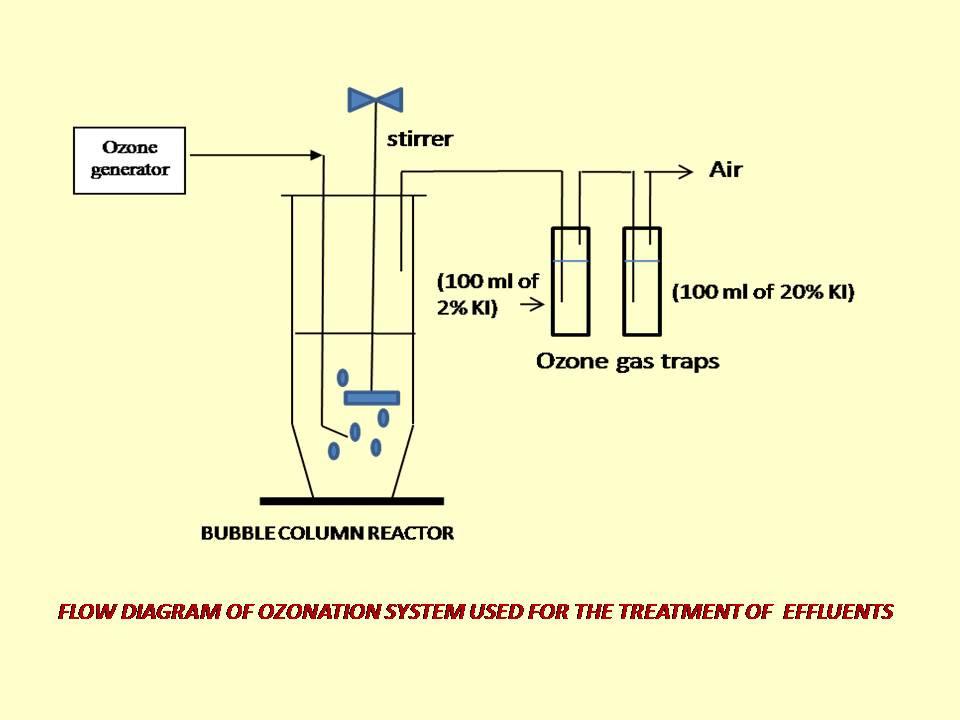
Technology: This is an advanced wastewater treatment technology developed by Prof. B.D. Tripathi (2011). Technology is used for removal of organic materials and bacterial disinfection.
Principle: Different concentrations of Ozone gas is passed through the wastewater for different contact time. In this technology Ozone gas is used as strong oxidant and disinfectant.
Removal: >95% organic materials are degraded. Technology has also demonstrated
bacterial disinfections >98%.
Recognition of the Technology: Technology is commonly used for removal of organic materials and bacterial disinfection. Technology was published in the year 2011 in an International Journal “Bioresource Technology 102 (2011) 2481–2486”.
Air Pollution Control Technology for Brick Industries
Technology: Developed by Prof. B.D. Tripathi for air pollution control in Brick Industries (2003).
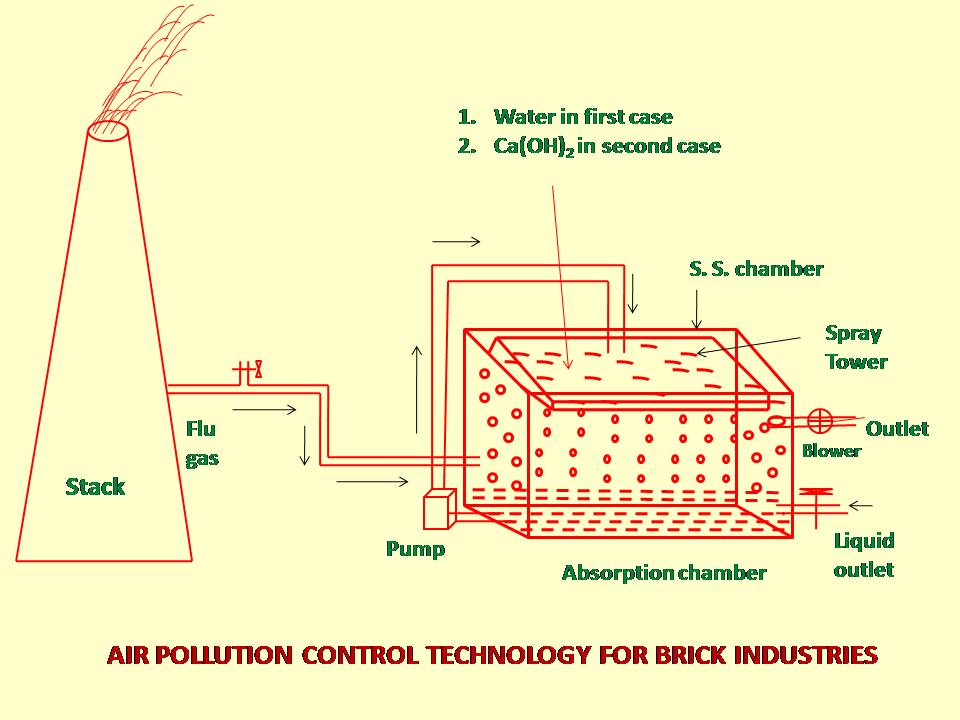
Principle: This low cost technology is based on the cyclone and wet scrubber methodology for the removal of particulate matters and gaseous pollutants from Stack/Kilns of the Brick Industries.
Removal: 80% to 95% particulate matters and toxic gases are removed.
Recognition of the Technology: Technology is commonly used in fixed kiln of the brick industries.
Treatment Technology for Saree Printing Industries
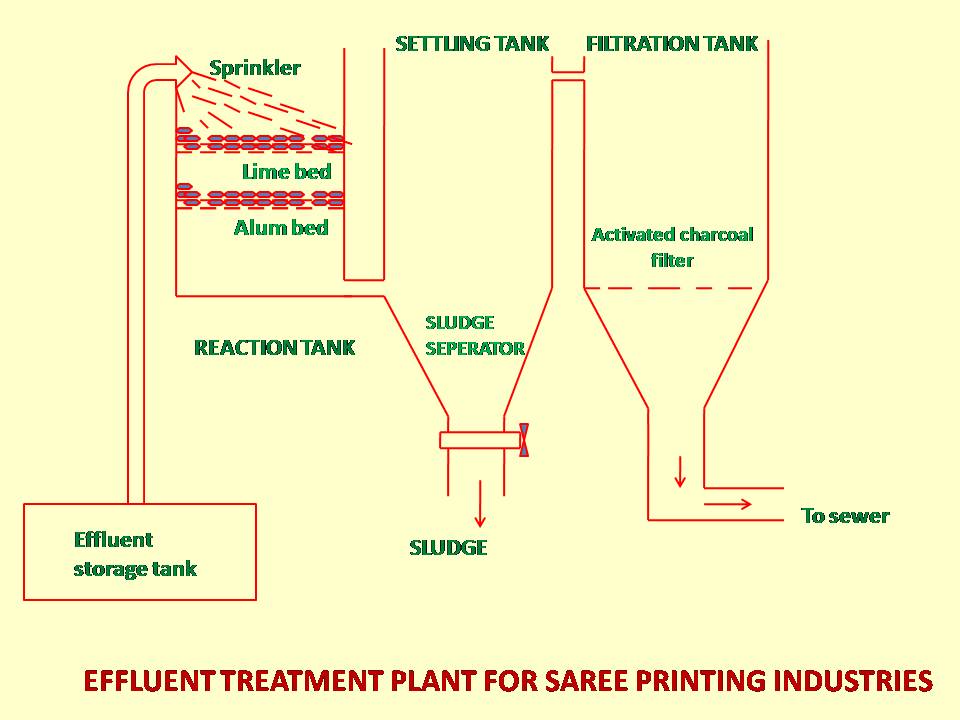
Technology: Developed by Prof. B.D. Tripathi in consultation with the experts from U.P. Pollution Control Board for the treatment of effluents released from Saree Printing Industries (1998).
Principle: This is the most economic primary treatment technology in which precipitation and gravitational force techniques are used along with lime, alum and activated charcoal to filter the pollutants.
Removal: About 60% to 85 % pollutants are removed
Recognition of the Technology: This technology was approved by Hon’ble High Court, Allahabad.
Biological Treatment of Waste Water
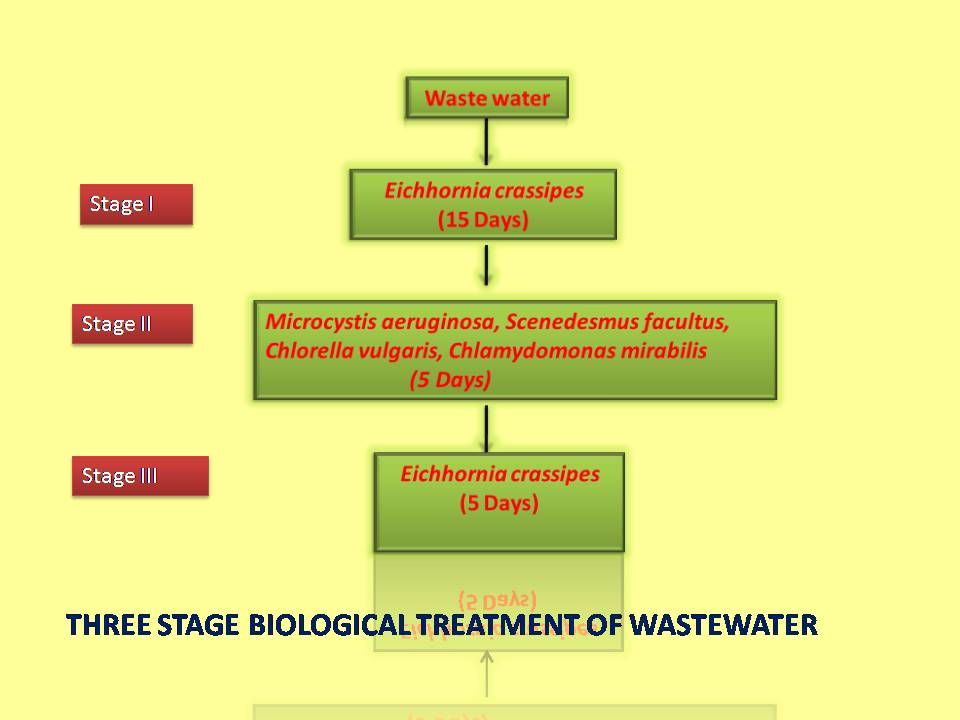
Three stage Biological Waste Water Treatment Technology, developed by Prof. B.D.Tripathi is an economic and Eco-friendly technology in which aquatic plants such as Eichhornia crassipes, Microcystis aeruginosa, Scenedesmus falcatus, Chlorella vulgaris and Chlamydomonas mirabilis are used for removal of pollutants from the domestic wastewater.
With this technology BOD - 96.9%, Suspended solids - 78.1%, Total alkalinity - 74.6%, PO4-P - 89.2%, NO3-N - 81.7%, Acidity - 73.3%, NH4-N - 95.1% and COD - 77.9% are minimized in the domestic waste water.
Rich contents of N, P, K, Ca, Mg and crude protein in plant tissues of aquatic plants used for the treatment indicates their utility as animal fodder.
Very good quality of bio-fertilizer is produced from these plants used for the treatment.
This low cost effective technology was highly appreciated by scientists and technologists during Int. Conf. at Vienna and recommended for its application for pollution control in tropical countries.
Technology published as: Biological treatment of waste water by selected aquatic plants. (1991) Environ. Poll., 69, 69-78.
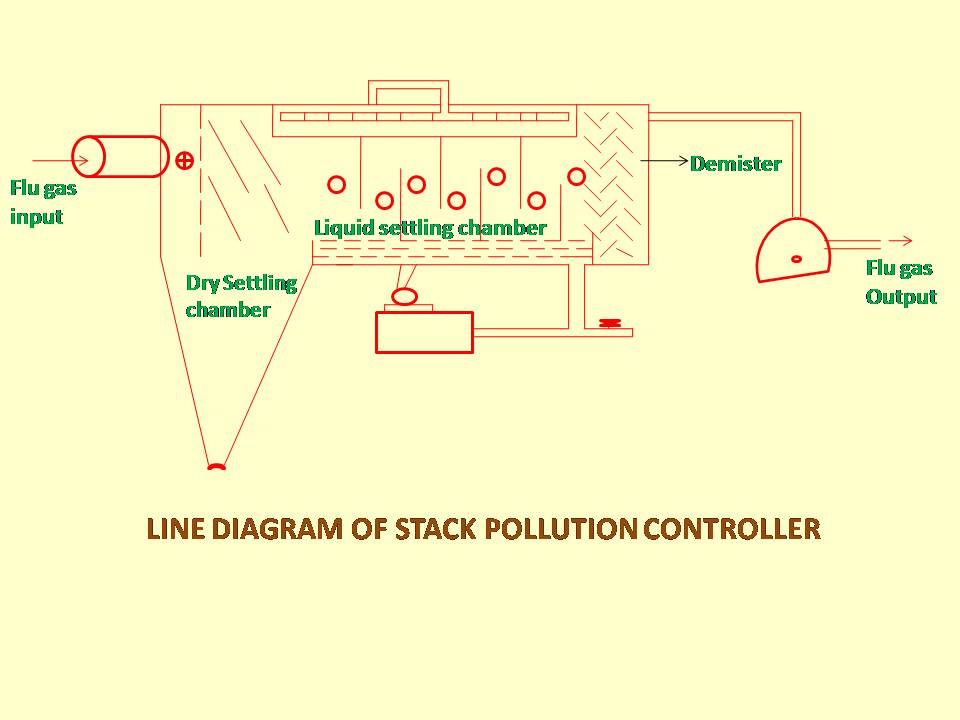
Stack Pollution Controller
SPC developed by Prof. B.D. Tripathi, is an unique device for removal of SPM / SO2 / NO2 / HC / CO / CO2 from all kind of industrial stacks/kilns.
Principal: Particulate matter > 10µ size are removed on the principle of momentum conservation.
Operation: 24 hours without break, fully automatic, flue gas bypass arrangement during operational failure.
Capacity: Any quantity of flue gas.
Pollutant Removal Efficiency: SPM – 95%, SO2 – 91%, NO2 – 93%, CO – 92.2%, CO2 – 95%, HC – 89%.
Technical specification for 10,000 m3 flue gas hr-1 treatment: Dimension - 10' x 3.5' x 3', Space - 12' x 8' x 8', Power Supply - 220 - 250 Volt 50 CPS, Power consumption - 1.5 HP
Technologies Developed
BDTF Trust has developed numerous indigenous and economic devices such as Stack Pollution Controller, Biological Treatment of Waste Water by aquatic plants, Air Pollution Control Technologies for Silver refineries, Tertiary Treatment Technology for Dairy Waste Water, Advance Wastewater treatment technology using Ozone etc. which are landmark pollution control technologies and adopted by numerous industrial organizations and treatment plants.
Developed a number of eco-friendly technologies which are economic & land mark contribution in the field of Wastewater Treatment and Environmental Pollution Management.
Environmental Monitoring
- Effluent sewage and drinking water quality monitoring for one year of Singrauli Super Thermal Power Plant (NTPC), Shaktinagar under World Bank Programme.
- Ground water quality monitoring in surrounding areas of Jayant coal mine : NCL Project.
- Ground water quality monitoring and it's effects on health in surrounding areas of Bina and Kakari coal mines : A NCL Project.
- Stack & process emissions, ambient air quality monitoring, effluent & drinking water quality analysis of HI-TECH Carbon, Renukoot.
- Stack & process emissions, ambient air quality monitoring, effluent & drinking water quality analysis of KANORIA CHEMICALS, Renukoot.
- Stack & process emissions, ambient air quality monitoring, effluent & drinking water quality analysis of HINDALCO INDUSTRIES, Renukoot.
- Stack & process emissions, ambient air quality monitoring, effluent & drinking water quality analysis of OBRA THERMAL POWER PLANT, Obra.
- Stack & process emissions, ambient air quality monitoring, effluent & drinking water quality analysis of ANPARA THERMAL POWER PLANT, Anpara
- Ambient air quality monitoring in Shaktinagar special area, Sonebhadra.
- Ground water quality monitoring in Shaktinagar special area, Sonebhadra.
- Surface water quality monitoring including the water of G.B. Pant Sagar Reservoir, Sonebhadra.
- Water quality examination of river Ganga, Varuna and sewage quality monitoring at Varanasi.
- Water quality monitoring of religious ponds at Varanasi.
Environmental Impact Assessment
- Environmental Impact Assessment of the broadening of the National Highway No. 2 development in the Mohansarai to Mughalsarai region.
- Environmental Impact Assessment of extension of Renusagar Thermal Power Plant, Renusagar, Sonebhadra.
- Environmental Impact Assessment of extension of Anpara Thermal Power Plant, Anpara, Sonebhadra.
- Environmental Impact Assessment of Krishna Sheela Open Caste Coal Mine project, NCL, Sonebhadra.
- Environmental Impact Assessment of extension of HINDALCO Industries, Renukoot, Sonebhadra.
Eco-Development & Biodiversity Conservation
- Ecological studies to prepare an environmental state of the art for Shaktinagar special area : A Shaktinagar Special Area Development Authority project.
- Biodiversity conservation and restoration of coal mine OB dump studies in Singrauli and Shaktinagar special area.